
Remodeling & RenovationsNovember 22, 2026
Long Sales Cycles in Remodeling: How to Follow Up on Leads That Take 90 Days
Read →
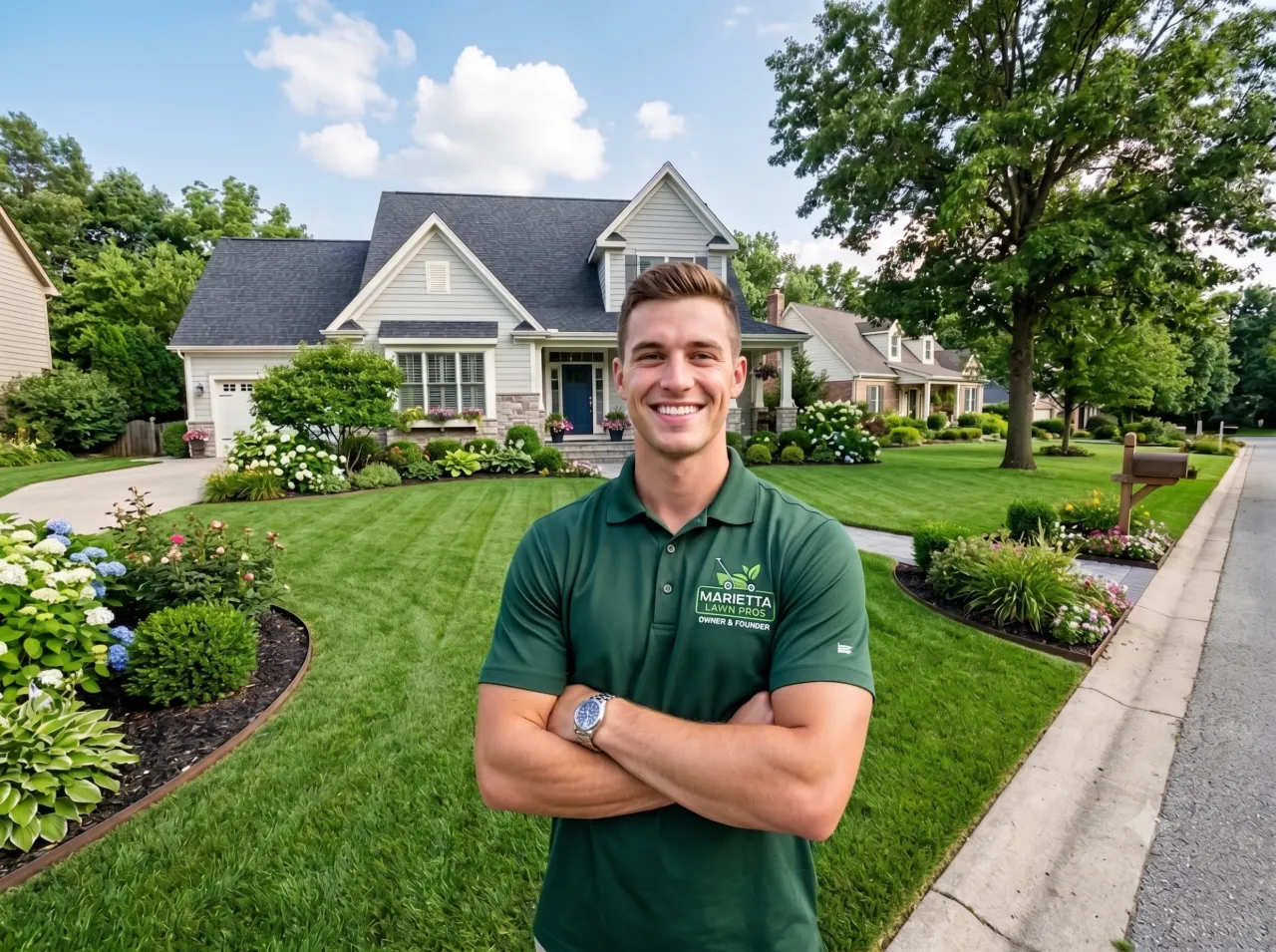
Landscaping businesses scale through high-ticket hardscape installations and recurring commercial contracts. Residential work is steady, but commercial accounts can anchor your calendar for the entire year: office parks, apartment communities, HOAs, retail centers, and medical campuses. These customers care about reliability, insurance, communication, and consistent results more than the lowest price.
Late fall is when many property managers review their vendors and set budgets for the next season. If you want to be considered, you need to be visible and prepared now.
A property manager or HOA board is not a homeowner browsing for ideas. They manage budgets, answer to owners or residents, and want to avoid problems. They look for a vendor who shows up on schedule, communicates clearly, carries proper insurance, and can scale to the size of the property. Your marketing should speak to those concerns directly.
Do not send commercial buyers to a page designed for homeowners. Create a page that describes your commercial services, equipment, crew size, insurance coverage, safety practices, and the types of properties you serve. Include project photos, a short description of how you handle communication and reporting, and a clear way to request a proposal. A professional page signals that you can handle the job.
Commercial buyers often search for terms like "commercial landscaping," "HOA landscaping services," "property landscape maintenance," or "commercial grounds maintenance." Create a campaign focused on those searches, with geographic targeting that matches your service area. Add negatives such as "DIY," "lawn mower," "equipment for sale," "jobs," and "residential" if you do not want homeowner traffic. Keep the budget modest at first and watch the quality of leads.
Many business users, especially on desktop computers during work hours, search through Microsoft's network. Bing and Microsoft Ads for contractors can reach this audience at costs that are sometimes lower than other platforms, though results vary by market. Running a small test alongside your main campaigns is a practical way to see whether it produces commercial inquiries for you.
Commercial inquiries often lead to a formal proposal. Prepare a template that includes a scope of services, service frequency, pricing structure, insurance certificates, references, and a communication plan. Customizing each proposal is important, but a strong template saves hours and keeps your quality consistent. Respond quickly to requests, because delays can signal unreliability.
A site walk reveals details that affect cost and service: irrigation systems, drainage problems, tree maintenance needs, high-traffic areas, and seasonal requirements. Take notes and photos. Show the property manager that you noticed things they care about. This is also an opportunity to suggest improvements that add value, such as seasonal color or erosion control, without overwhelming the proposal.
A clear, professional contractor website is a major trust signal for commercial buyers. Make sure contact information is easy to find, your service area is stated, and your page loads quickly on mobile and desktop. Add testimonials from commercial clients if you have them and have permission to use them.
Commercial decisions can move slowly, especially when boards or multiple stakeholders are involved. Send a proposal, confirm it was received, and follow up politely. Offer to answer questions or meet again. A steady, professional approach often beats a pushy one.
Do not neglect residential customers while pursuing commercial contracts. The two can complement each other: residential work provides cash flow and referrals, and commercial work provides stability. Balance your marketing so neither suffers.
Because commercial leads are fewer and slower, track them separately from residential. Record the source, proposal date, value, and outcome. Over time you will see which channels produce the proposals you actually win.
Property managers worry most about vendors who disappear or let standards slip. Address that fear directly. Describe how you schedule crews, how you handle weather delays, and what happens if a visit is missed. Offer a simple reporting habit, such as a short service summary after each visit with photos of completed work. Share references from similar properties when you have permission. Concrete evidence of reliability is often what separates the vendor who gets the contract from one who only gets a polite reply.
Commercial landscaping contracts often cover monthly maintenance, seasonal color changes, irrigation checks, and extra services billed separately. Know how you want to structure scope, pricing, and termination terms before you write a proposal. Be clear about what is included and what costs extra, because vague scope is a common source of disputes. Having these terms organized in advance lets you respond faster and look more professional than competitors who scramble to put together a proposal.
MicroManaged Media, Inc., the team behind Get Calls AI, helps landscaping contractors get more qualified leads, miss fewer opportunities, and track which marketing leads to booked contracts. Call (251) 765-0333 for a free consultation and we will build a commercial lead plan around your capacity.
We build lead generation systems for HVAC, plumbing, roofing, and electrical contractors.
Call (251) 765-0333 for a Free Consultation →